 01
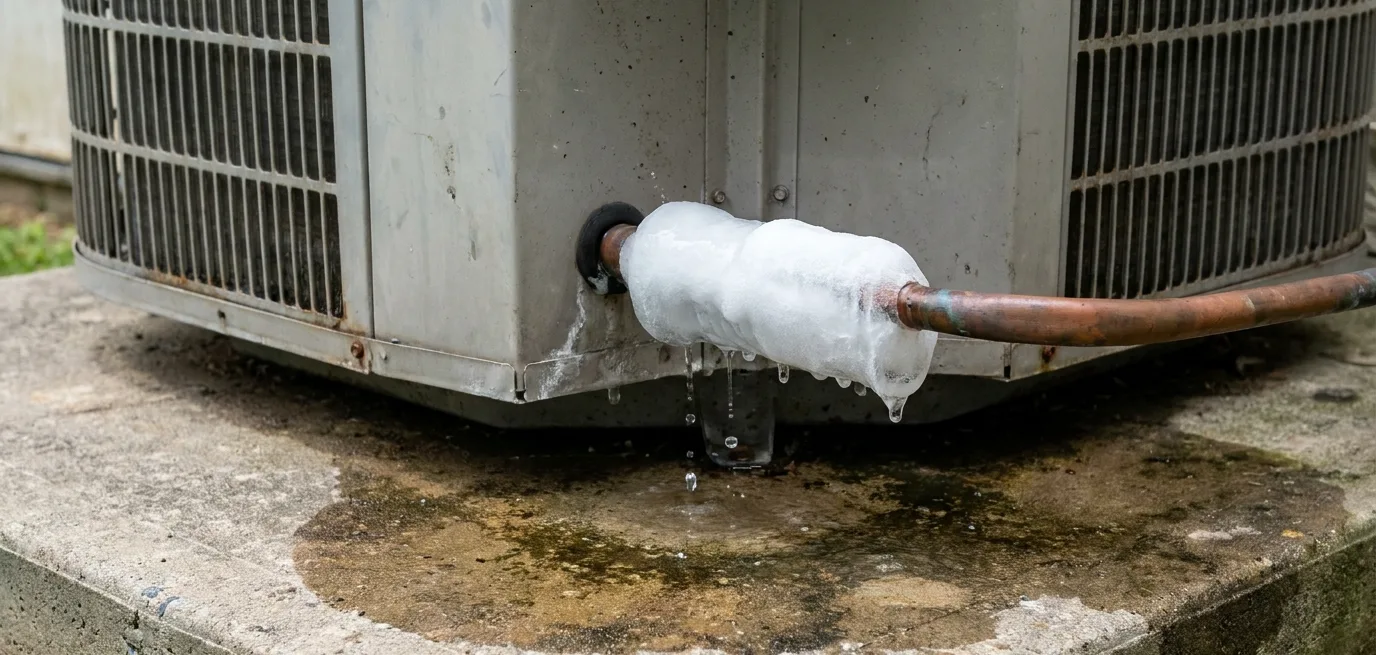
Air Conditioning Repair
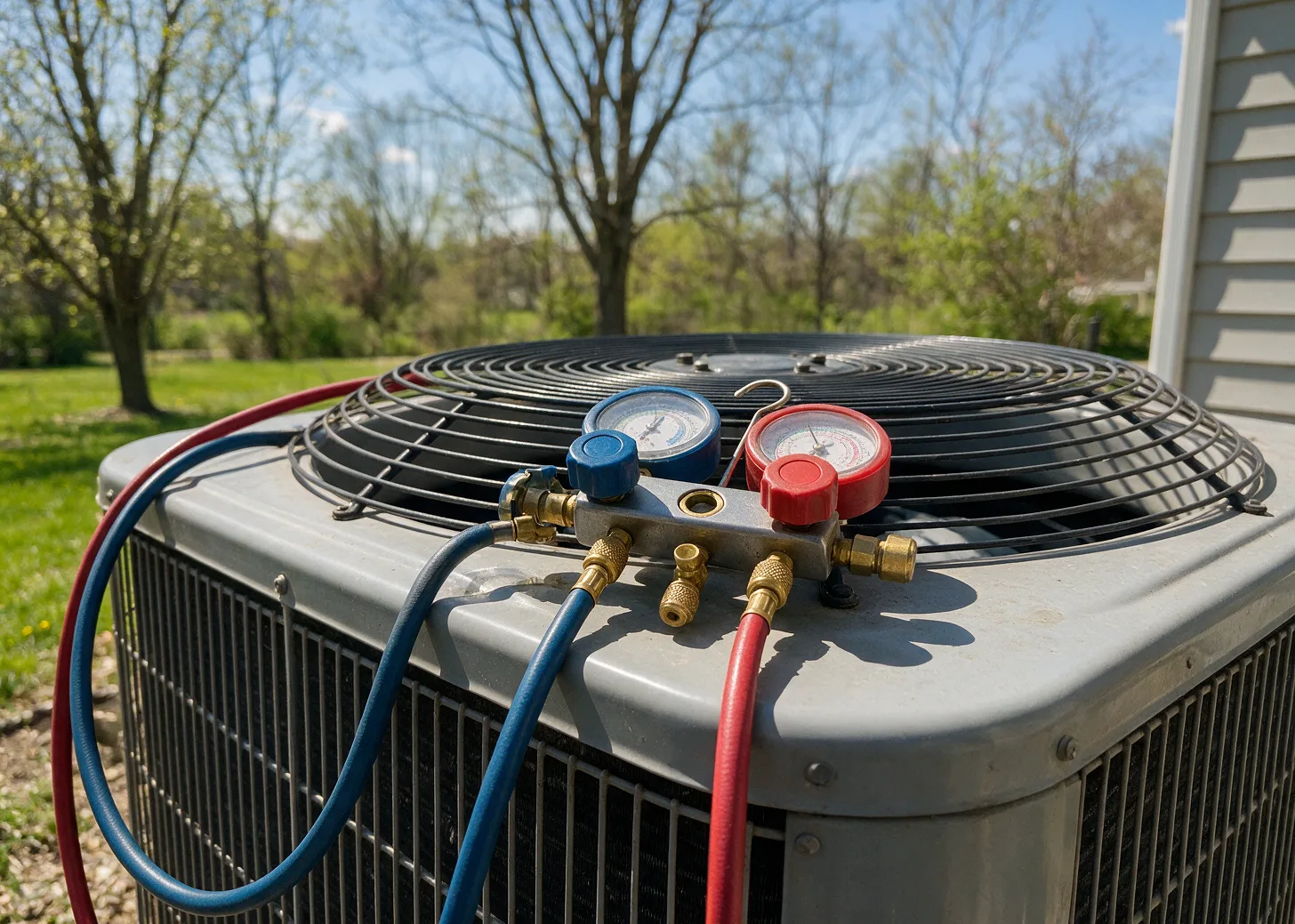
Technicians check refrigerant charge, clean the evaporator coil, test the run capacitor, and measure temperature split to restore cooling output in units affected by high humidity loads.

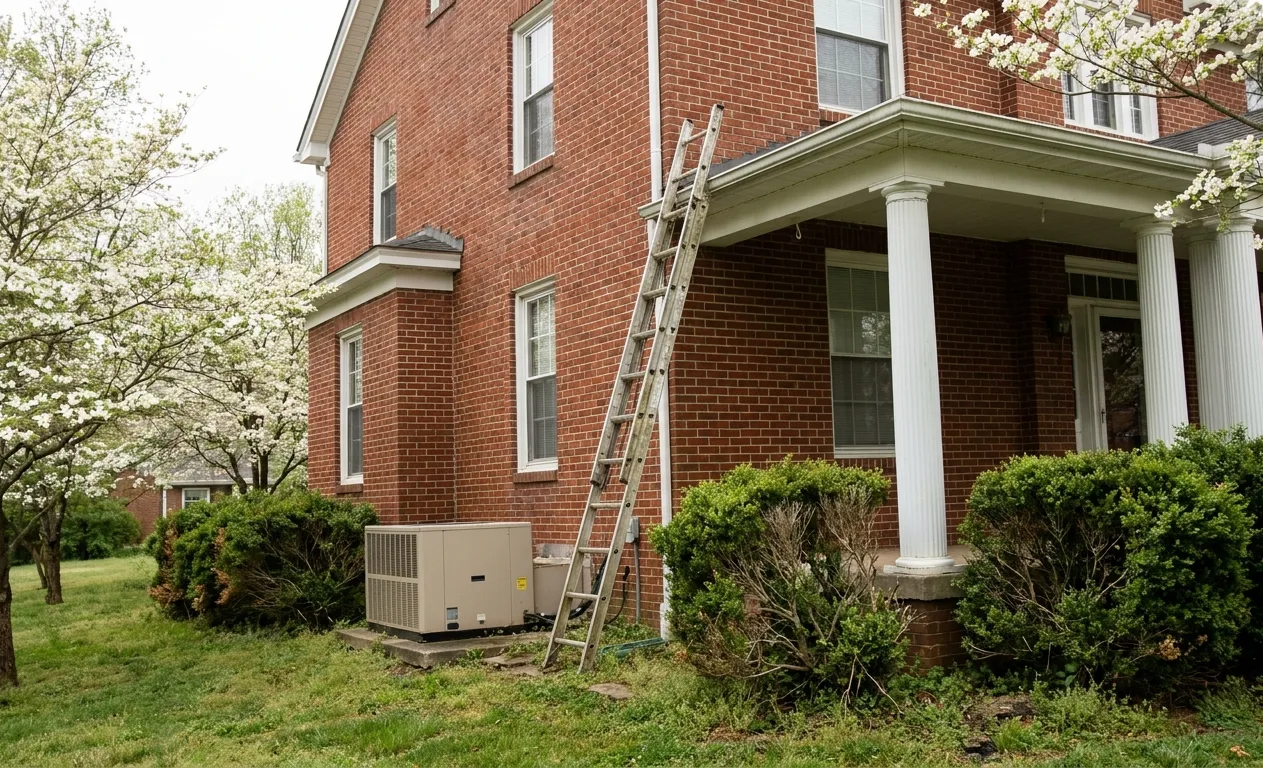
HVAC · the USA
Virginia Carolina HVAC performs HVAC Repair across the USA by examining system components, identifying faults in heat pumps and air handlers, and restoring proper airflow and temperature control.
Technicians measure refrigerant levels, inspect capacitor function, and verify blower motor amperage before addressing any identified faults.
Each visit includes voltage readings at the contactor, temperature differential across the coil, and static pressure measurements in the duct system.
Findings are explained at the equipment with actual readings shown so homeowners understand the source of the performance loss.
Virginia Carolina HVAC handles a range of HVAC Repair needs across the USA by focusing on the specific components that affect comfort during humid summers and mild winters. Each service targets measurable performance issues.
01Technicians check refrigerant charge, clean the evaporator coil, test the run capacitor, and measure temperature split to restore cooling output in units affected by high humidity loads.
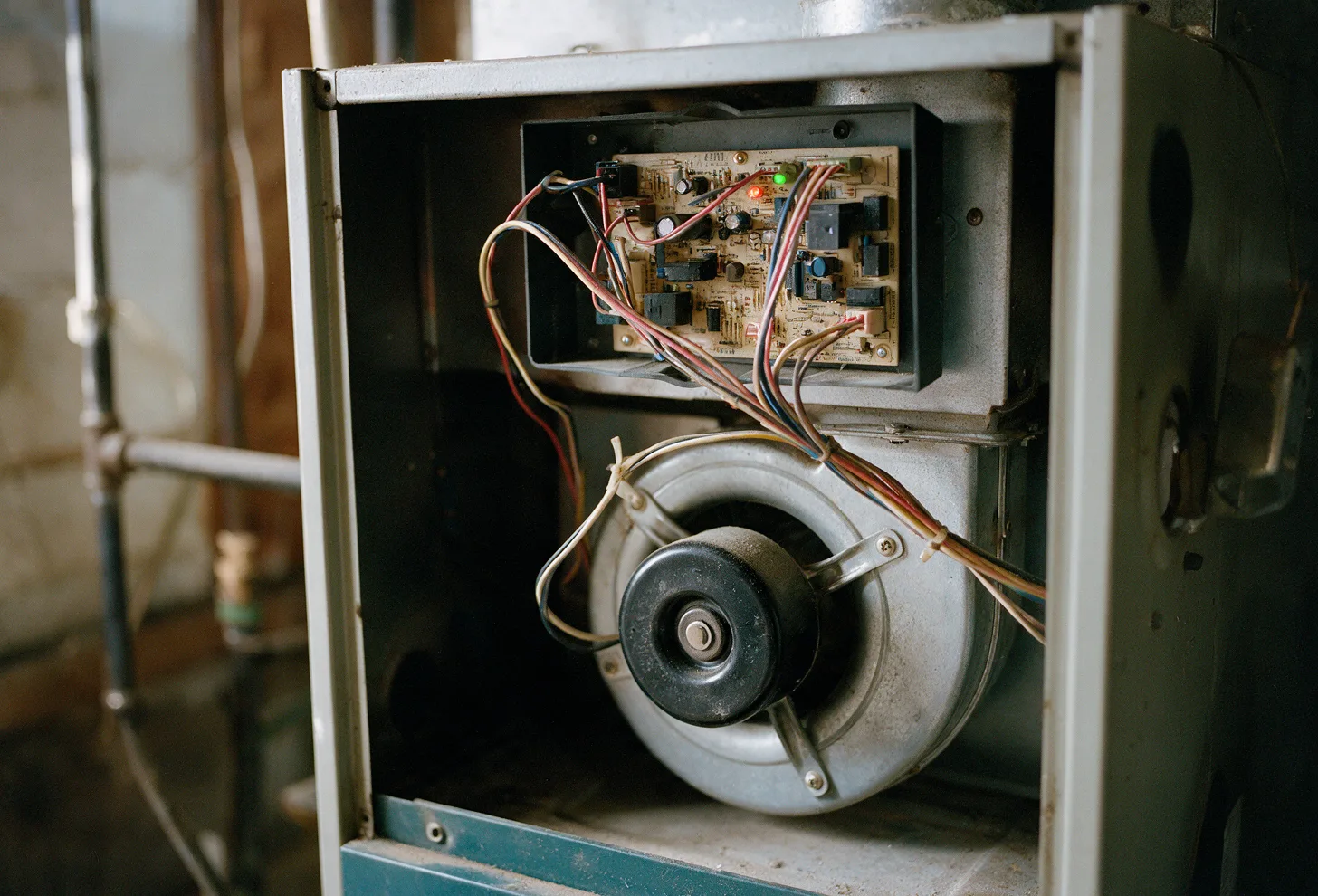 02
Heat strips and gas heat exchangers are examined for proper ignition sequence, limit switch operation, and temperature rise to correct short cycling during mild winter periods.
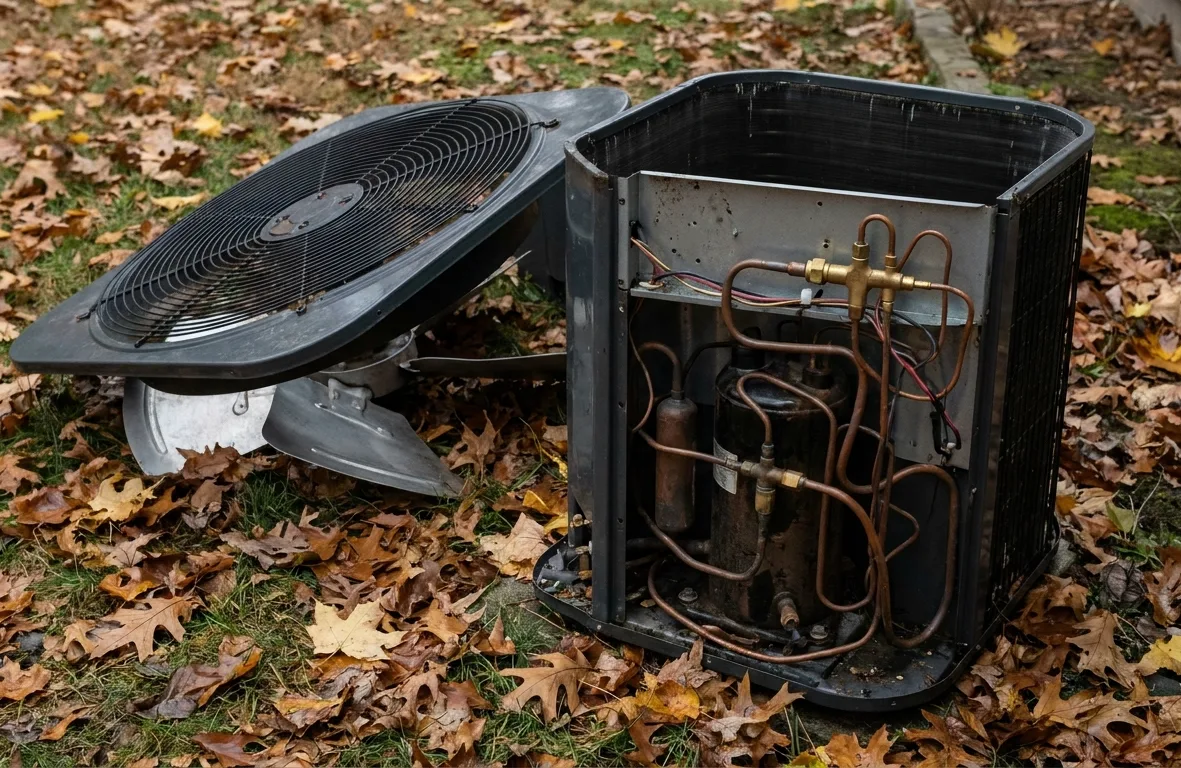 03
Reversing valve function, defrost board timing, and auxiliary heat lockout settings are verified to maintain efficiency when outdoor conditions shift between heating and cooling demands.
 04
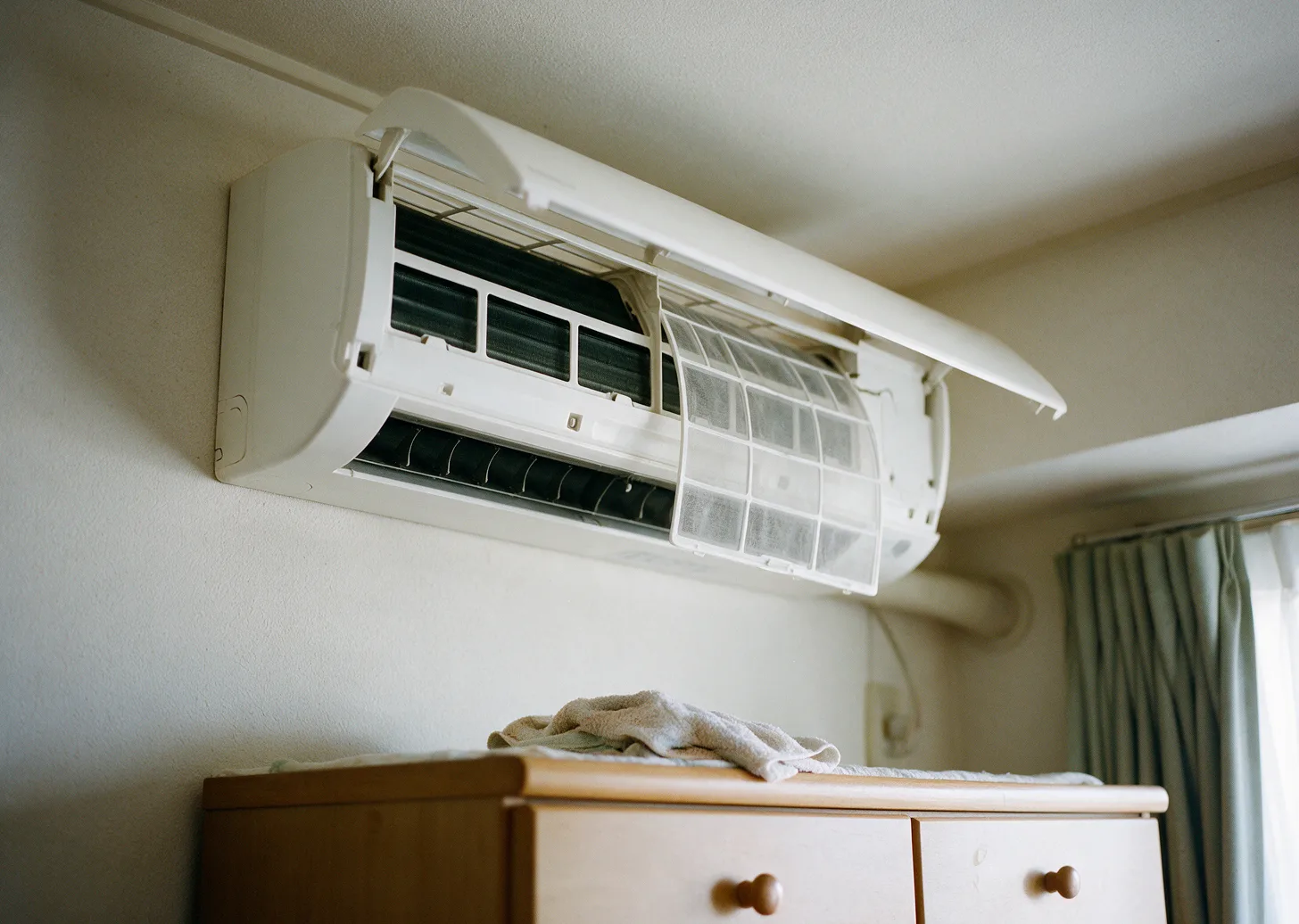
Line set pressure tests, indoor blower wheel cleaning, and error code retrieval from the main board locate issues that reduce zoned temperature control in individual rooms.
 05
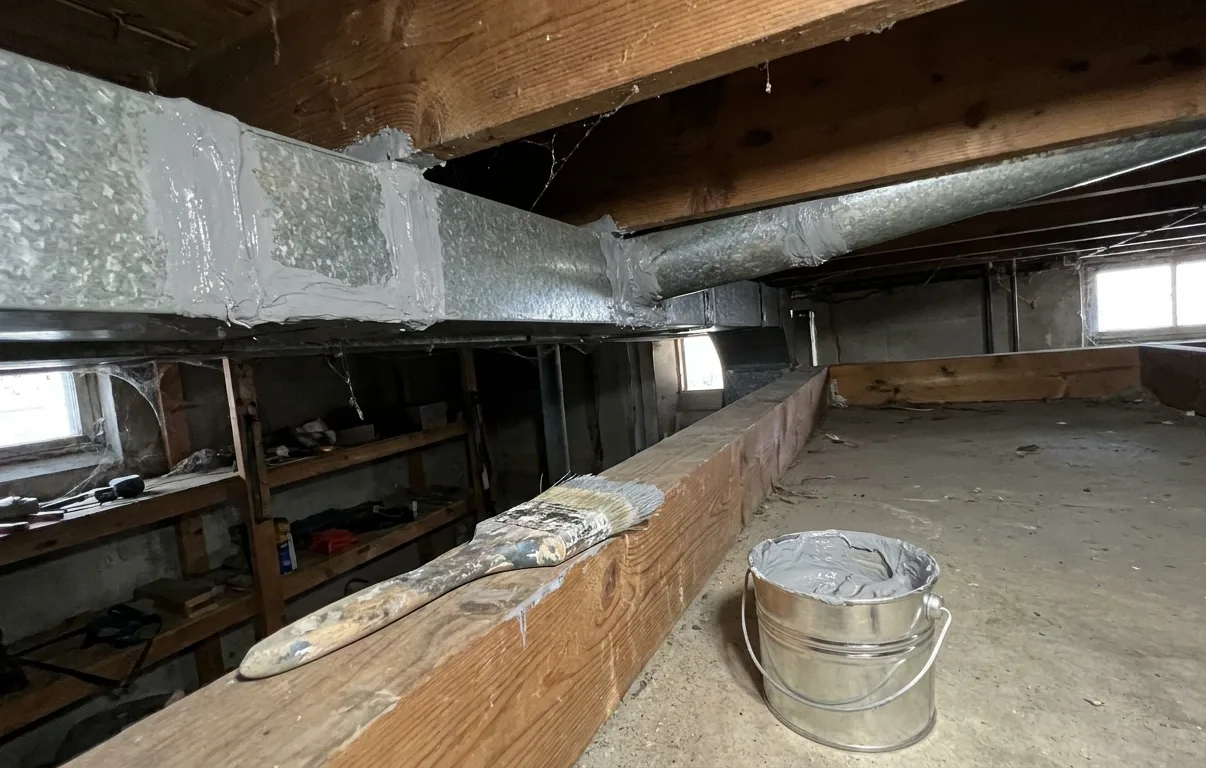
Technicians apply mastic and mesh to joints after measuring total external static pressure to reduce conditioned air loss that increases runtime in both heating and cooling seasons.
 06
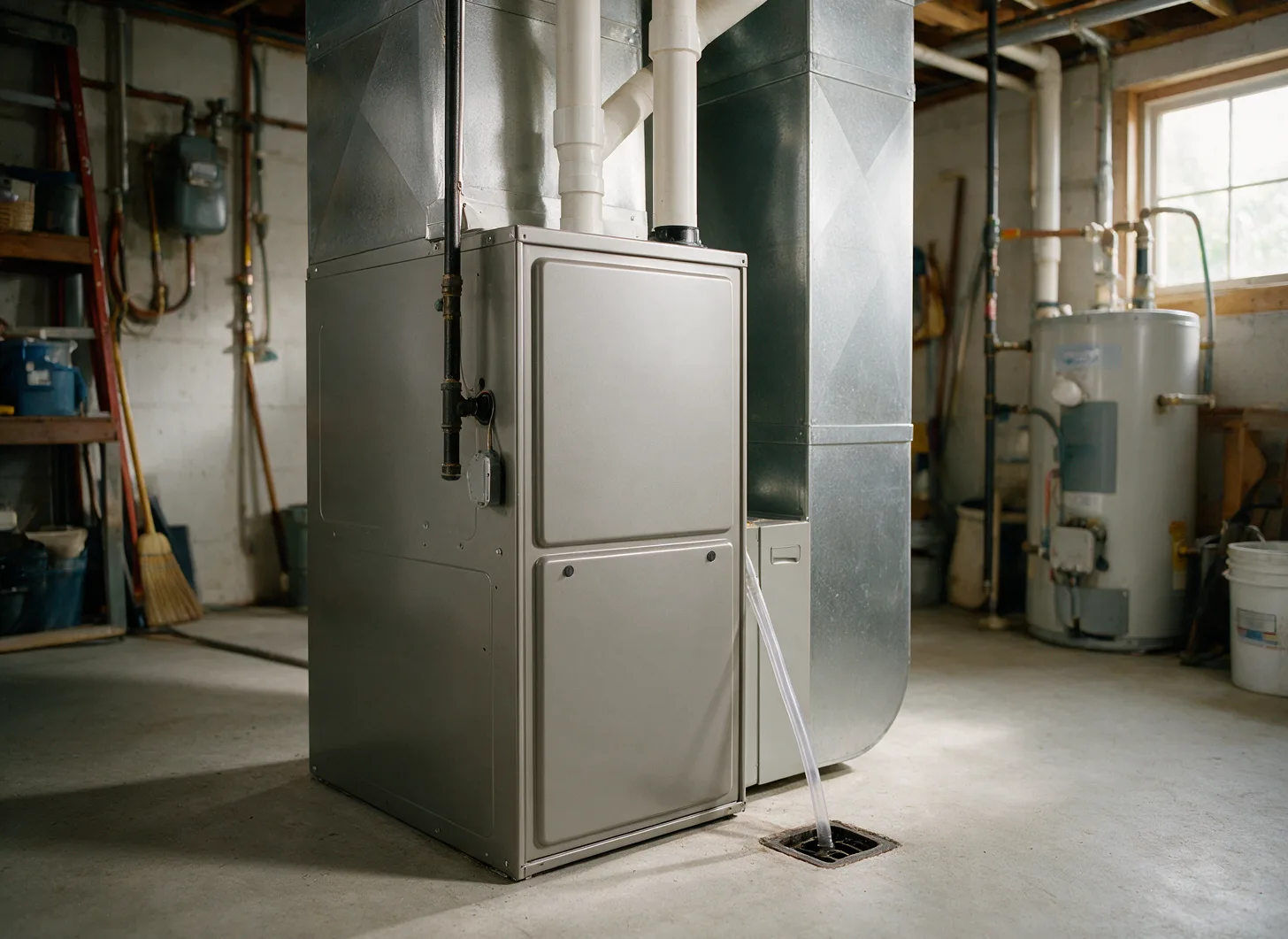
New equipment is matched to calculated heat load, vented correctly, and commissioned with combustion analysis to achieve proper temperature rise without short cycling.
 07
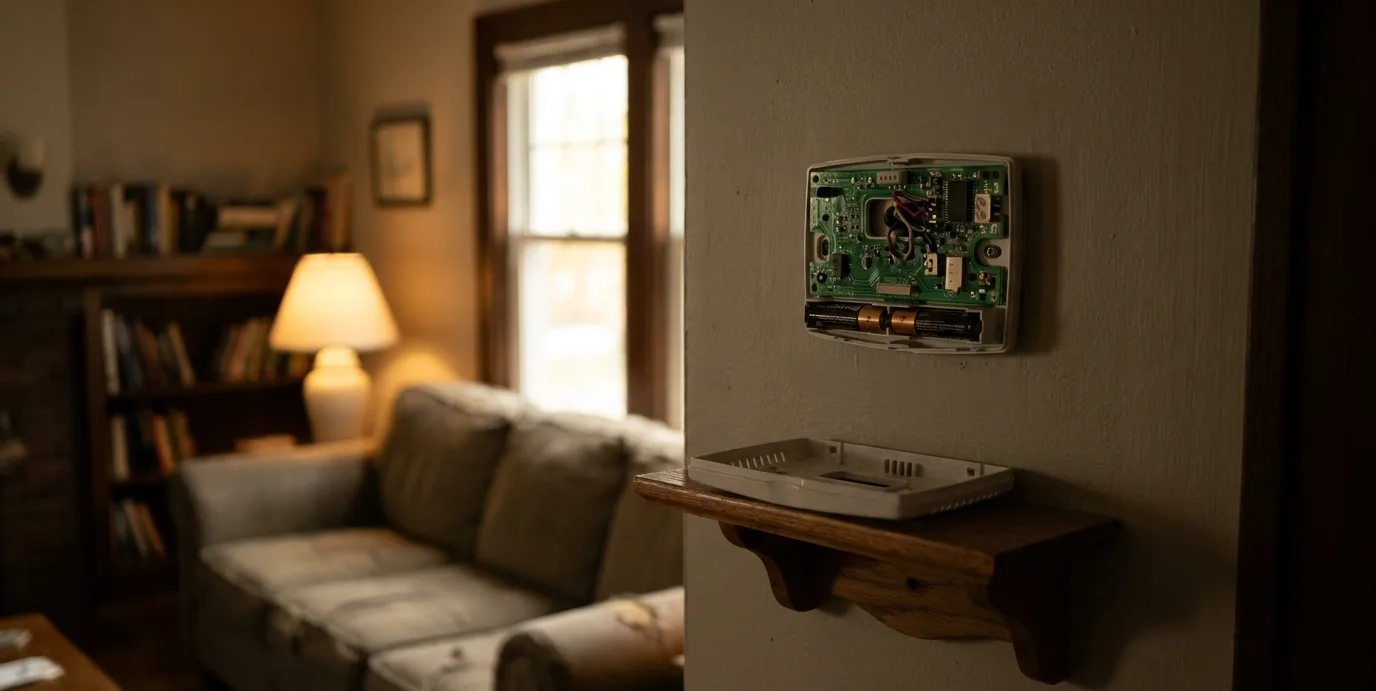
Wiring continuity, anticipator settings, and calibration against a reference thermometer are checked to correct inaccurate temperature readings that affect system cycling.
 08
Filters are replaced, condensate drains cleared, and electrical connections tightened while performance data is recorded for comparison against manufacturer specifications.
Uneven room temperatures often point to restricted airflow or failing dampers inside the duct system. A heat pump that runs continuously yet fails to reach set point in humid summer air may have low refrigerant or a dirty outdoor coil. Unusual noises from the air handler can indicate motor bearing wear before complete failure occurs. Homeowners notice these patterns first through daily comfort changes rather than sudden shutdowns.
Turn the thermostat to off and the fan to auto to prevent further strain on the compressor or heat strips. Note any recent filter changes or visible water near the indoor unit. Keep windows closed so technicians can measure true system performance upon arrival. These steps allow accurate diagnosis once the crew begins checking pressures and electrical values.
Virginia Carolina HVAC follows a consistent sequence that begins with measurement and ends with verification so each repair addresses the root cause rather than symptoms alone.
Technicians record outdoor and indoor conditions, then measure supply and return temperatures along with electrical values at the unit to establish baseline performance.
Coils, motors, capacitors, and valves receive direct testing while the system runs so the exact location of the fault becomes visible through readings.
Parts are replaced or adjustments made only after the cause is confirmed, followed by reassembly and leak checks where refrigeration work has occurred.
System operation is remeasured under the same load conditions to confirm temperature split and electrical draw now fall within expected ranges before departure.
Technicians begin with visual inspection of accessible components, then proceed to electrical and refrigeration measurements using calibrated instruments. Filters are removed for examination, coils are inspected for blockage, and condensate lines are tested for flow. Findings are demonstrated directly at the equipment so the cause of the symptom becomes clear before any repair begins.
Age of the equipment, cost of the required part, and overall system efficiency guide the decision. When multiple components show wear or the refrigerant circuit requires extensive work, replacement may be presented alongside repair options. The measured performance data collected on site provides the basis for comparing continued operation against installing new equipment.
The extent of the repair depends on the number of components that require replacement and the time needed to access them inside the equipment cabinet or duct system. Refrigerant-related work adds steps for recovery, leak location, and recharge that increase duration compared with electrical component replacement alone. Heat pump service in conditions where both heating and cooling functions must be verified also affects total time on site. Older systems may need additional attention to rusted panels or nonstandard wiring during the same visit.
Older homes frequently have duct systems with higher leakage rates and equipment sized for different load conditions than current usage. Technicians measure actual static pressure and temperature differentials to identify where insulation or sealing improves results without full system replacement. In rental properties the focus remains on restoring reliable operation so the unit maintains consistent temperatures across seasons.
High humidity increases the latent load on the evaporator coil so the unit must operate longer to remove moisture while still meeting the temperature set point. Low refrigerant or reduced airflow across the coil extends runtime further.
A limit switch that opens early or an oversized heat strip can shut the system down before the thermostat is satisfied. Technicians measure temperature rise to determine whether the airflow or heat source needs adjustment.
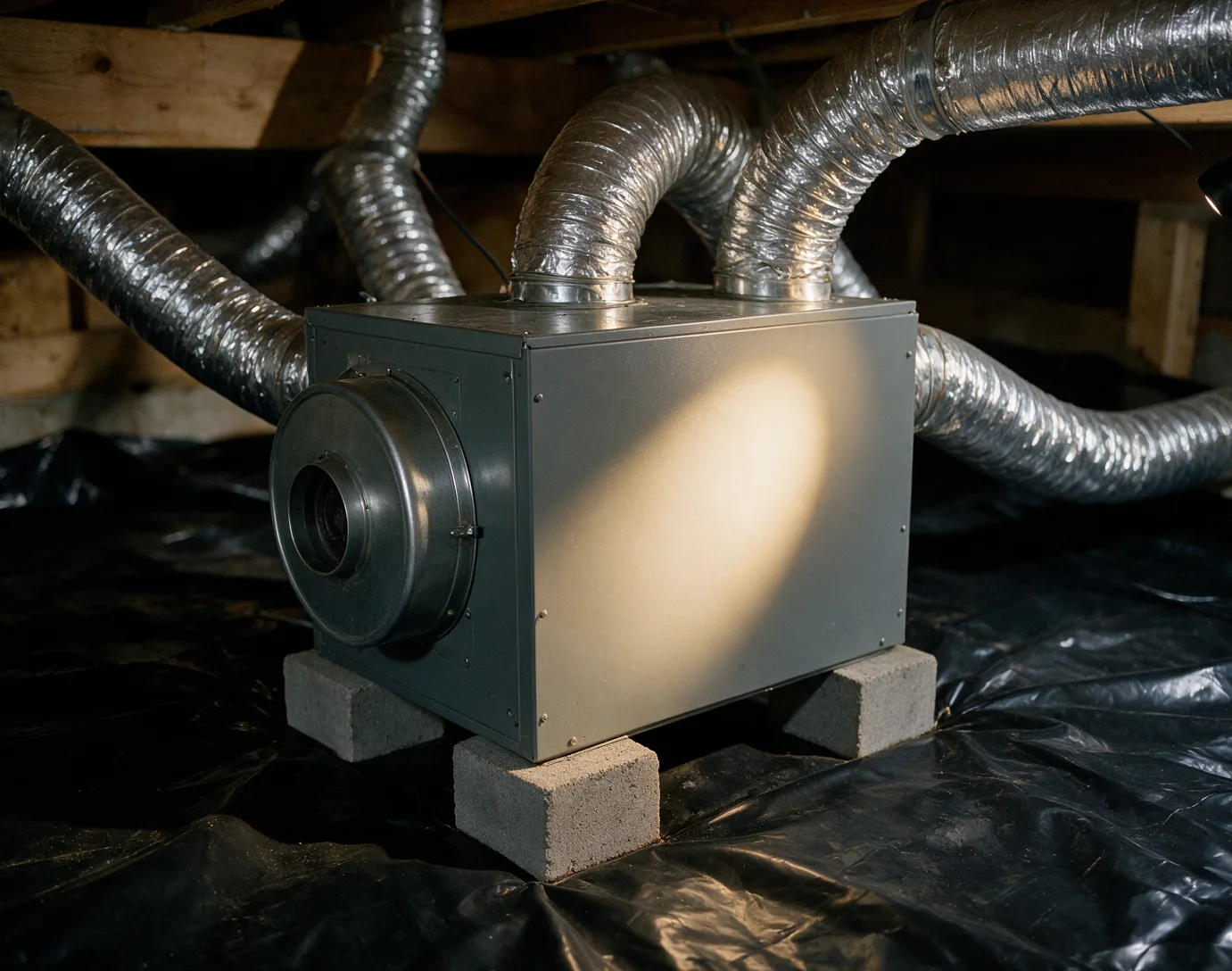
Technicians use a pressure pan or duct blaster to locate leakage points after the system is placed in test mode. Visible gaps at joints are then sealed with appropriate materials.
If calibration drifts beyond acceptable tolerance after cleaning and wiring checks, replacement restores accurate control. New models also add scheduling that reduces unnecessary runtime.
The indoor blower and filter are cleaned, the condensate pump is tested, and error codes are read from the board. Outdoor coil fins are straightened if bent to maintain airflow.
New equipment is selected to match the measured static pressure and heat load of the current duct system. Modifications occur only when measurements show the ducts cannot deliver required airflow.
Virginia Carolina HVAC responds to HVAC Repair needs across the USA by measuring system values and restoring performance in heat pumps and air conditioning equipment.