
Heating Repair in the USA
Heating systems lose efficiency when filters load with dust or when burners develop carbon buildup that restricts flame height. Our technicians begin every Heating Repair visit by verifying thermostat settings and airflow before opening panels. This sequence prevents misdiagnosis and keeps parts from being replaced when cleaning restores function.
In regions with mild winters heat pumps run most heating hours so reversing valves and defrost boards receive extra attention during calls. We measure refrigerant pressures and temperature splits across the outdoor coil to confirm the system is moving heat rather than running in resistance mode. Homeowners clear leaves from the outdoor unit before heating repair then check the Virginia Carolina HVAC homepage serving the USA.
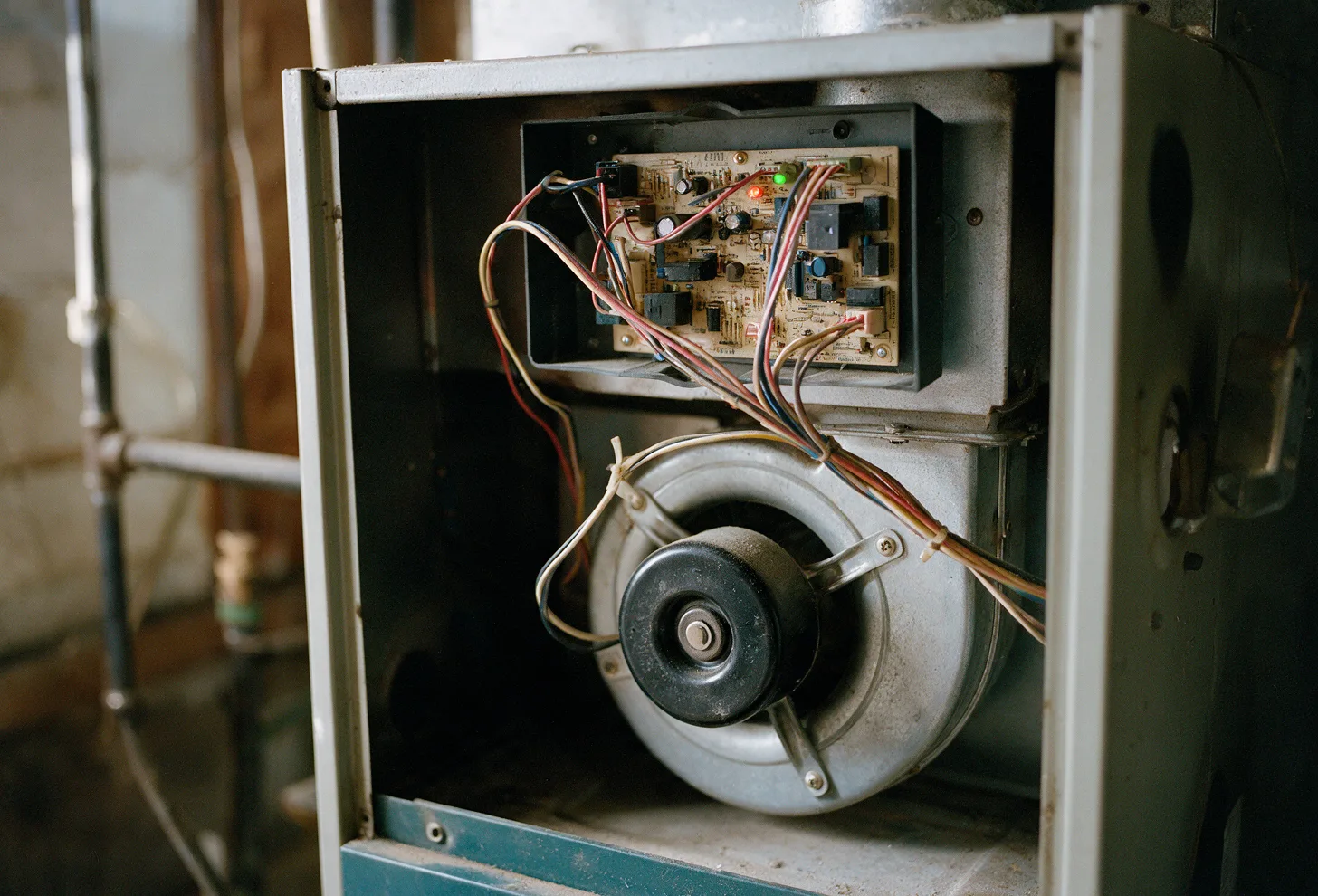
Warning Signs That Prompt a Heating Repair Call
- Air from vents stays cool even after the thermostat calls for heat.
- Furnace starts then shuts down within a minute of ignition.
- Unusual rattling or clicking occurs each time the blower engages.
- Higher than normal energy use appears on monthly utility statements.
- Rooms on one side of the house remain noticeably cooler than others.
Initial Homeowner Steps Before Technicians Arrive
Replace the air filter if it has been more than thirty days since the last change. A clogged filter reduces airflow and can cause limit switches to trip repeatedly. After installing a new filter note whether the system completes a full cycle without shutting off early.
Check that supply and return vents remain unobstructed by furniture or rugs. Blocked returns starve the blower and create negative pressure that pulls dust into the heat exchanger. Clear paths around the indoor unit so our technicians can reach service panels without moving household items.
Components Inspected During Heating Repair
Technicians test the igniter resistance and inspect the flame sensor for oxidation that prevents the gas valve from staying open. They also measure the temperature rise across the heat exchanger to verify it falls within the equipment rating plate specifications.
On heat pump systems we check defrost sensor calibration and reversing valve solenoid operation. Low voltage wiring is examined for loose connections that interrupt the call for heat and cause the auxiliary strips to energize unexpectedly.
Repair Options and Common Replacement Parts
When a capacitor shows bulging or leaking fluid it is replaced with a new unit rated at the same microfarad and voltage values. This restores blower speed and prevents hard starts that shorten motor life. Condensate drains are cleared with a wet vacuum to prevent water safety switch trips.
Gas valves that fail to open on demand are swapped for exact OEM replacements matched to the furnace model. Thermocouples on standing pilot units are replaced when voltage output drops below manufacturer minimums. These targeted swaps return the system to normal combustion without full equipment replacement.
Materials and Tools Used on Site
Our technicians carry manometers to measure gas pressure at the valve inlet and outlet during firing. Combustion analyzers record oxygen and carbon monoxide levels before and after adjustments to confirm safe operation. Electrical multimeters verify 24-volt control circuits and line voltage to the blower motor.
Thread sealant rated for gas lines prevents leaks at new fittings while dielectric grease protects low voltage connections from oxidation. Spare fuses and wiring terminals allow immediate correction of control circuit faults without returning to the shop for additional supplies.
Heating Repair questions
Why does the furnace shut off before reaching the set temperature?
A dirty filter or closed vents can cause the high limit switch to open early. Our technicians measure temperature rise and inspect the heat exchanger for blockages before resetting the switch or recommending further cleaning.
Can a failing heat pump still provide some heat?
Yes when the reversing valve sticks or the defrost board malfunctions the unit may run with reduced capacity. We test solenoid operation and sensor resistance to determine whether repair restores full heating mode.
What causes short cycling in gas furnaces?
Restricted airflow or a weak draft inducer motor often triggers the pressure switch repeatedly. Technicians measure inducer amperage and static pressure to isolate the cause before replacing the motor or clearing the vent path.
How do technicians verify a repair solved the original problem?
After part replacement the system runs through multiple cycles while we monitor flame signal voltage temperature differential and overall watt draw. These readings confirm stable operation before the visit ends.
Schedule Heating Repair
Contact Virginia Carolina HVAC when heating performance drops so our technicians can inspect and restore the system.