Virginia Carolina HVAC sends technicians who examine the full system rather than replacing parts at random. They measure static pressure, inspect condensate drains for clogs, test capacitor values, and verify that the reversing valve shifts correctly on heat pumps. These steps show whether a problem stems from low refrigerant, dirty evaporator coils, or a failing contactor.
In humid summers the cooling cycle must also pull moisture from the air, while mild winters let heat pumps run longer without supplemental heat. Our technicians explain how dirty filters raise head pressure, how unsealed ducts pull in attic air, and why a thermostat that reads two degrees off can cause short cycling on any equipment. Every service below is available from Virginia Carolina HVAC across the USA.
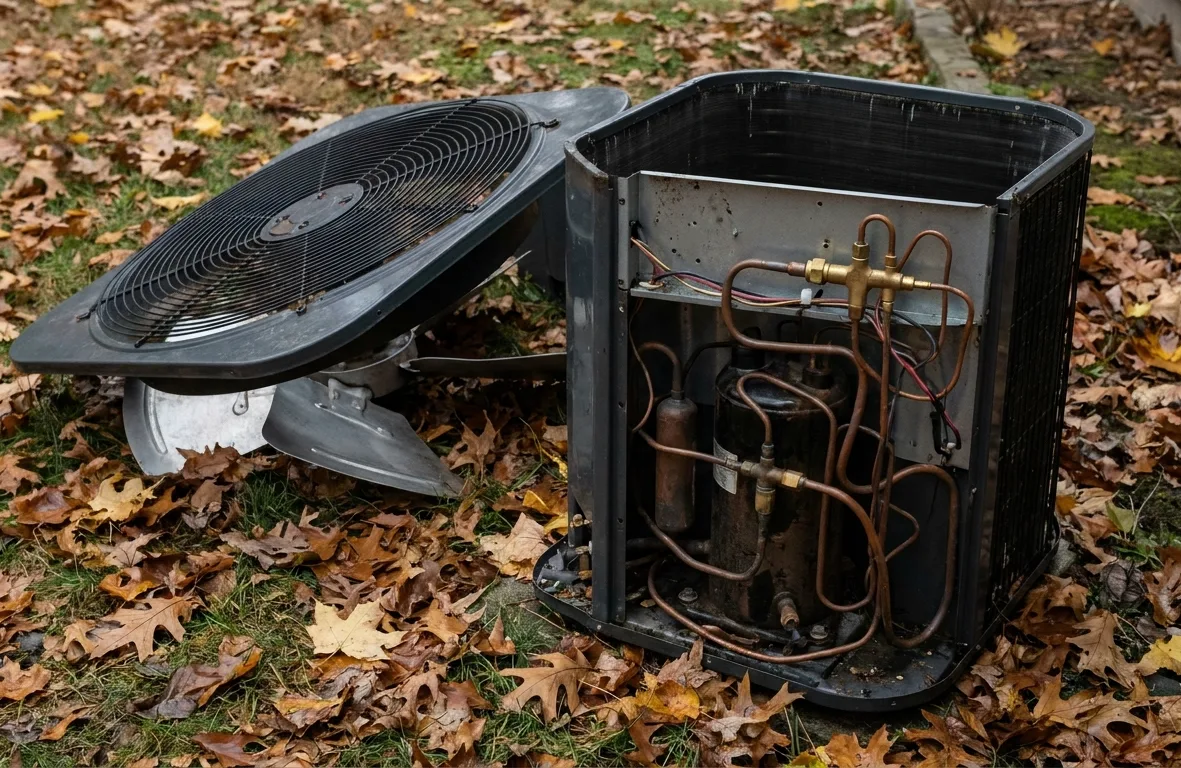
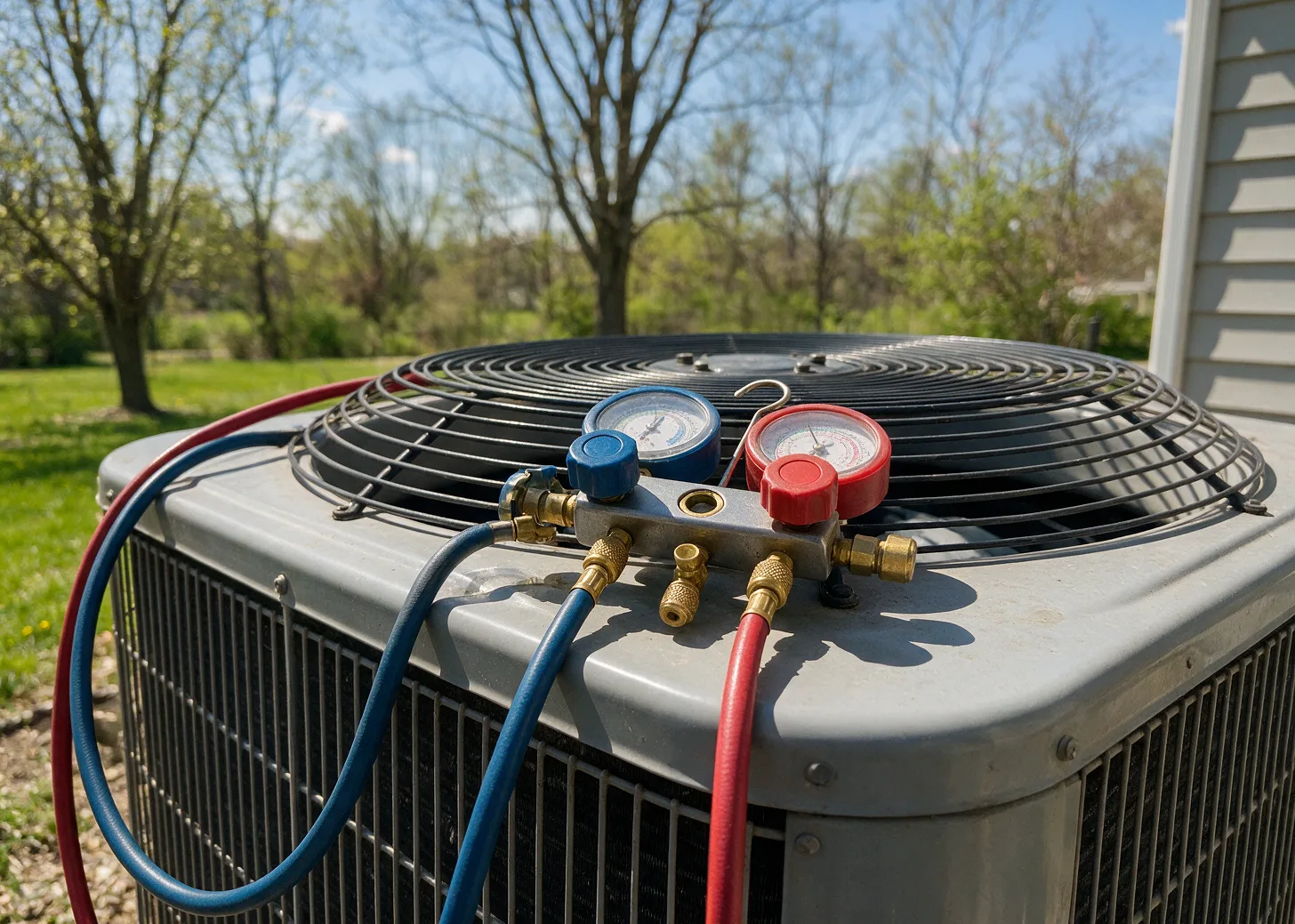
Technicians measure superheat and subcooling to decide if refrigerant needs adjustment or if the metering device is restricted. They also clean the condenser fins and check the run capacitor so the compressor does not start under high load during humid summer afternoons.
When mild winter temperatures keep the system running steadily, our technicians test the sequencer on electric heat strips and verify that the limit switches open at the correct temperature to prevent overheating of the heat exchanger.
Service includes checking the defrost sensor and board so the unit does not stay in defrost too long and dump cold air into the house. They also inspect the accumulator for oil return and confirm the reversing valve solenoid receives proper voltage.
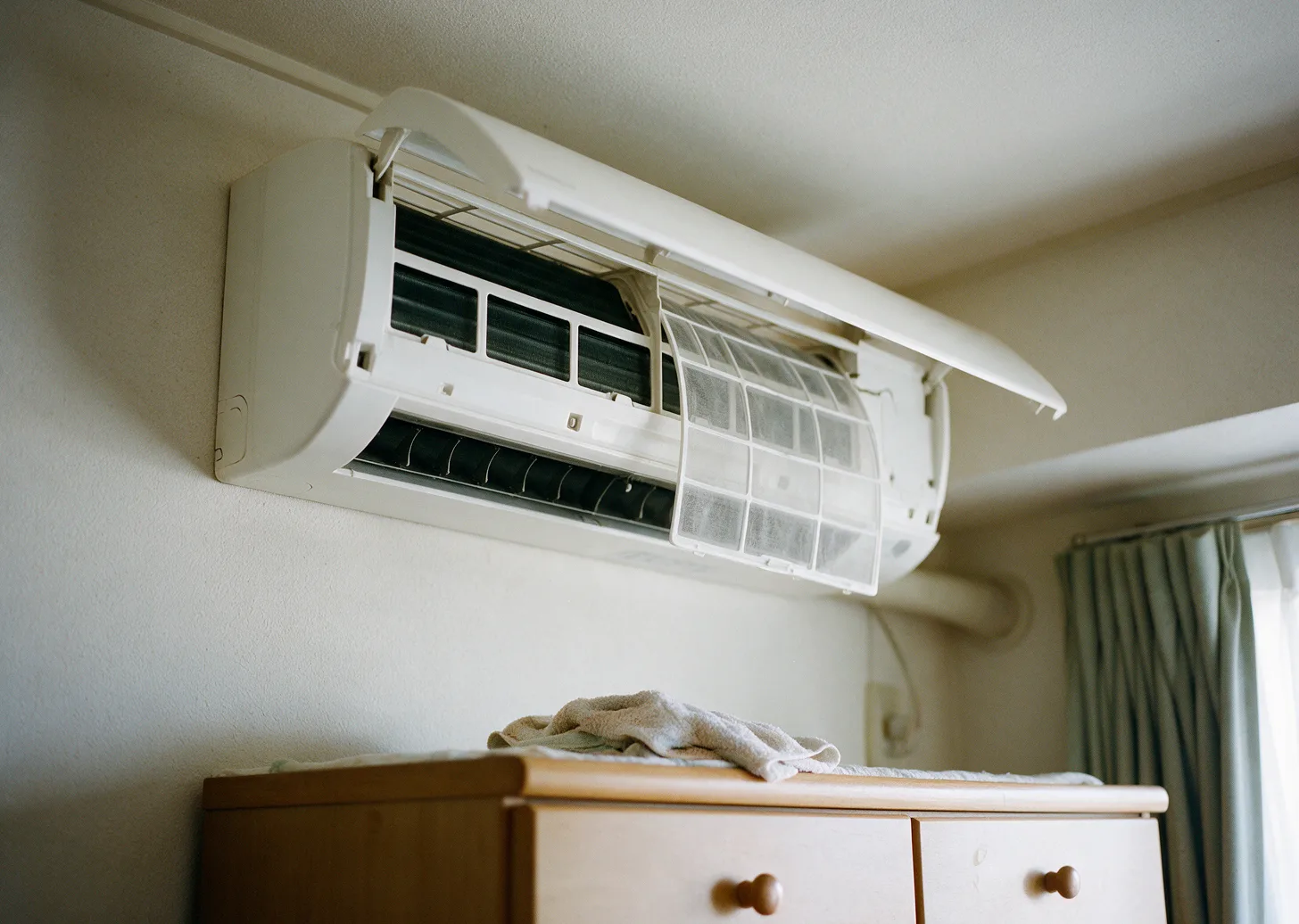
Our technicians trace error codes on the indoor and outdoor boards, clean the condensate pump, and test the EEV for proper opening range so each zone maintains set temperature without hunting.
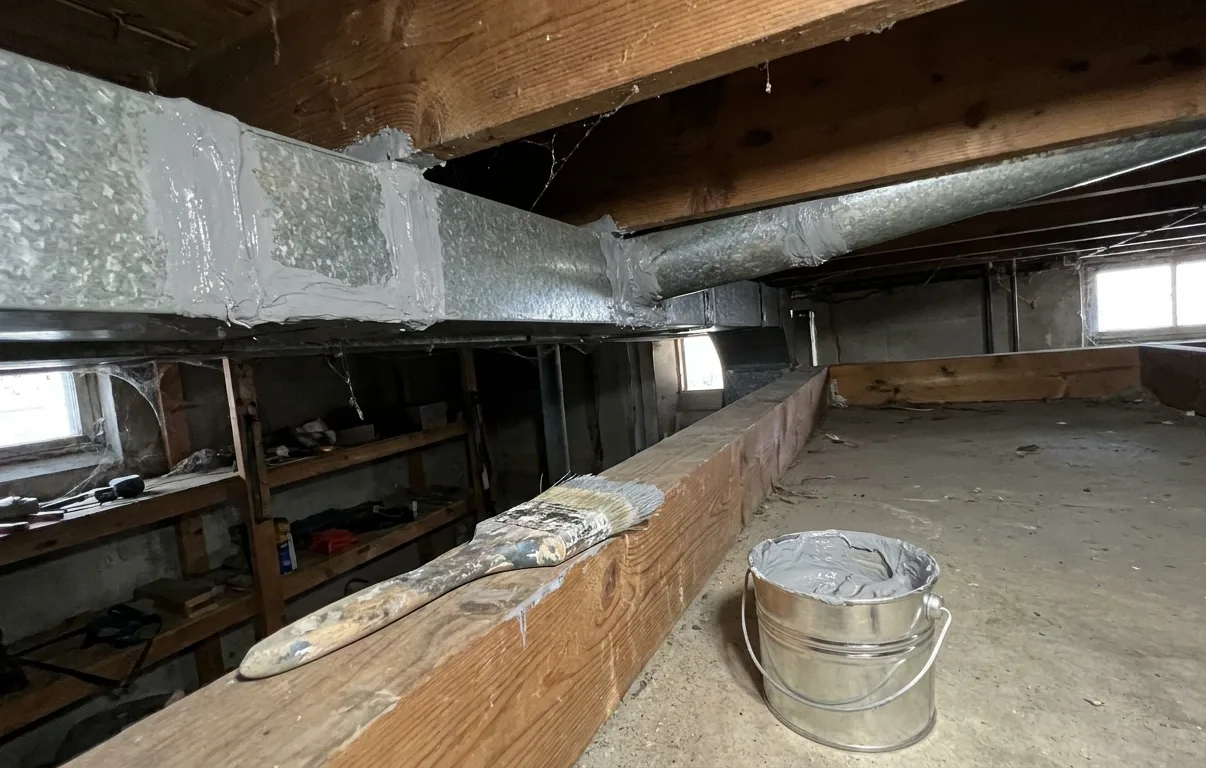
Technicians use a duct blower to locate leaks at joints and connections, then apply mastic or metal tape where return air pulls in unconditioned attic air that adds load to both heating and cooling equipment.
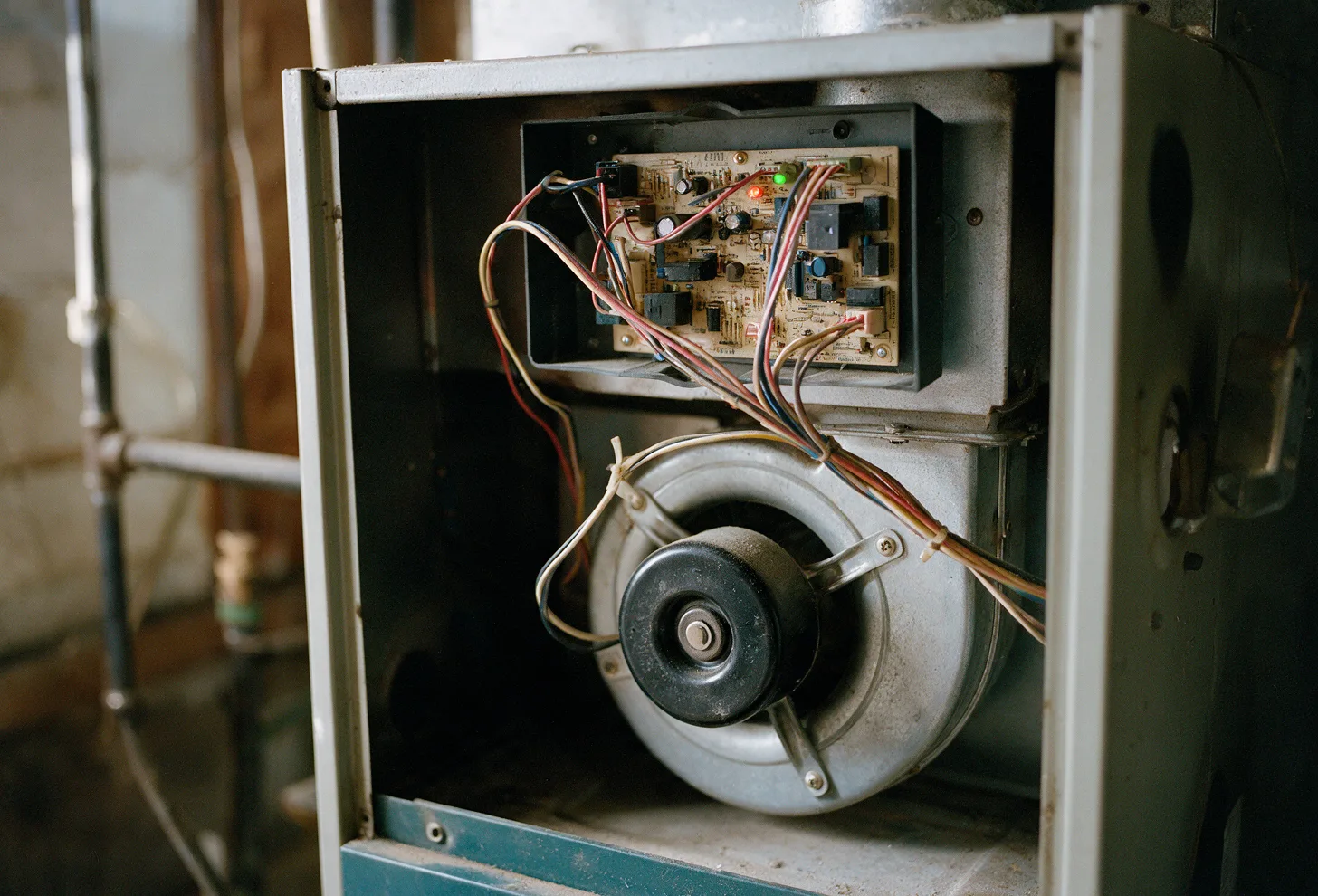
Installation begins with confirming the correct gas orifice size and manifold pressure for the altitude, then setting the blower speed so temperature rise stays inside the manufacturer range across the heat exchanger.
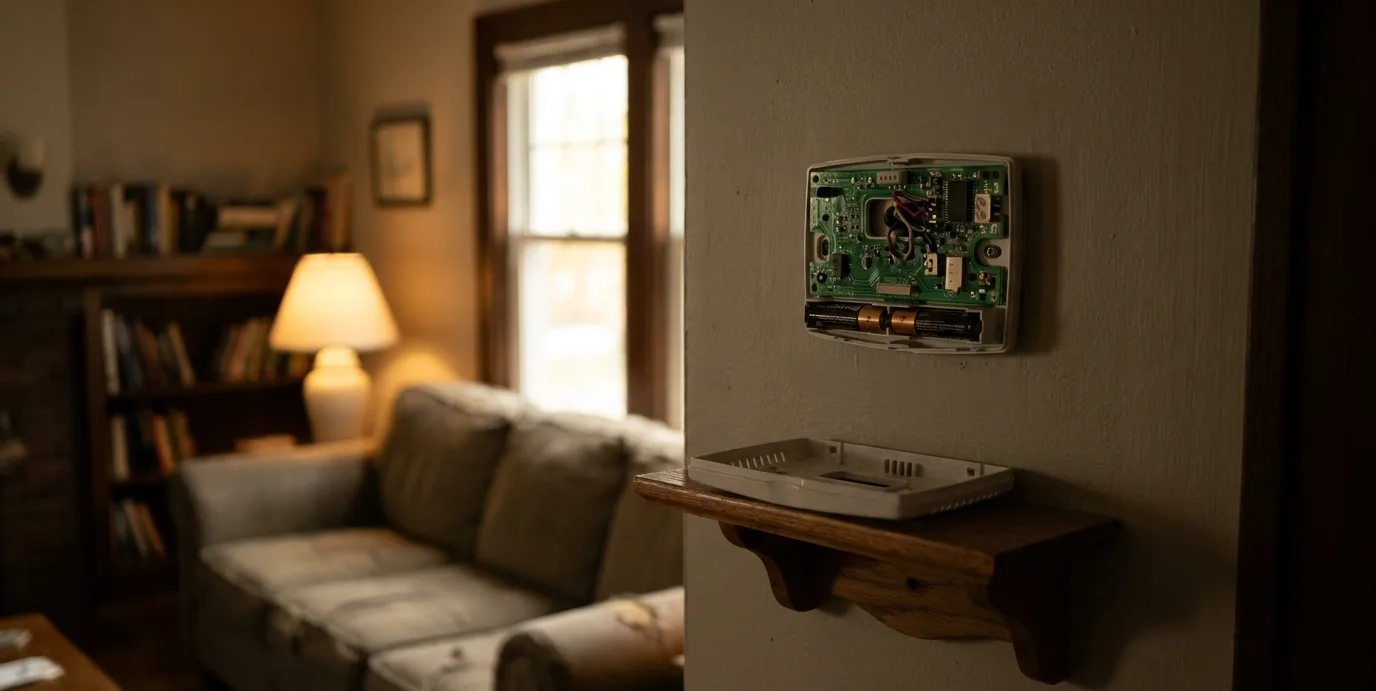
Technicians check for proper 24-volt supply, examine wire terminations for corrosion, and test the anticipator setting so the system does not overshoot the target temperature on either the cooling or heating cycle.
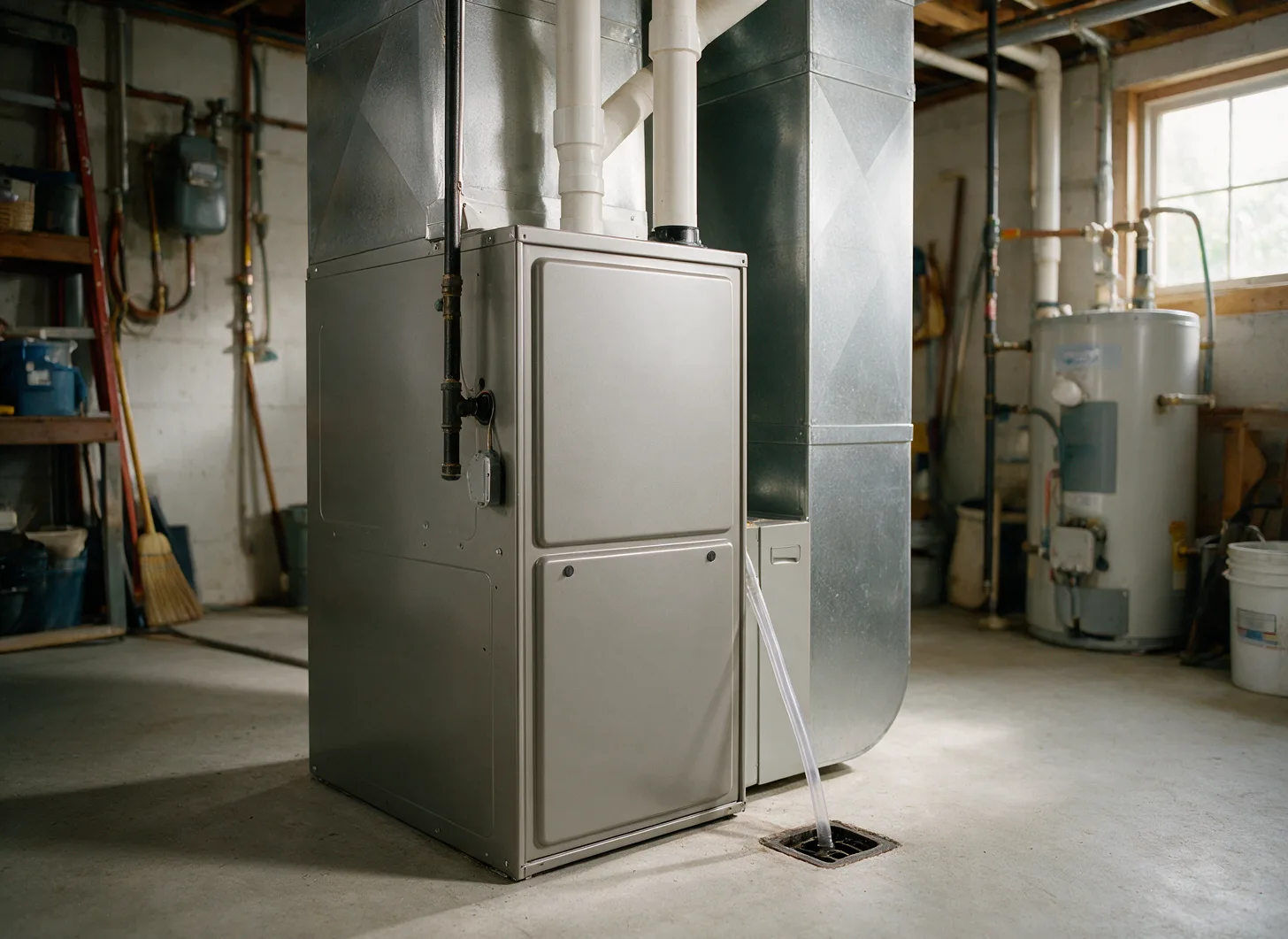
A tune-up covers cleaning the flame sensor, tightening electrical lugs, lubricating motors, and confirming the condensate safety switch shuts the system down before water reaches the secondary drain pan.
Matching symptoms to the right service
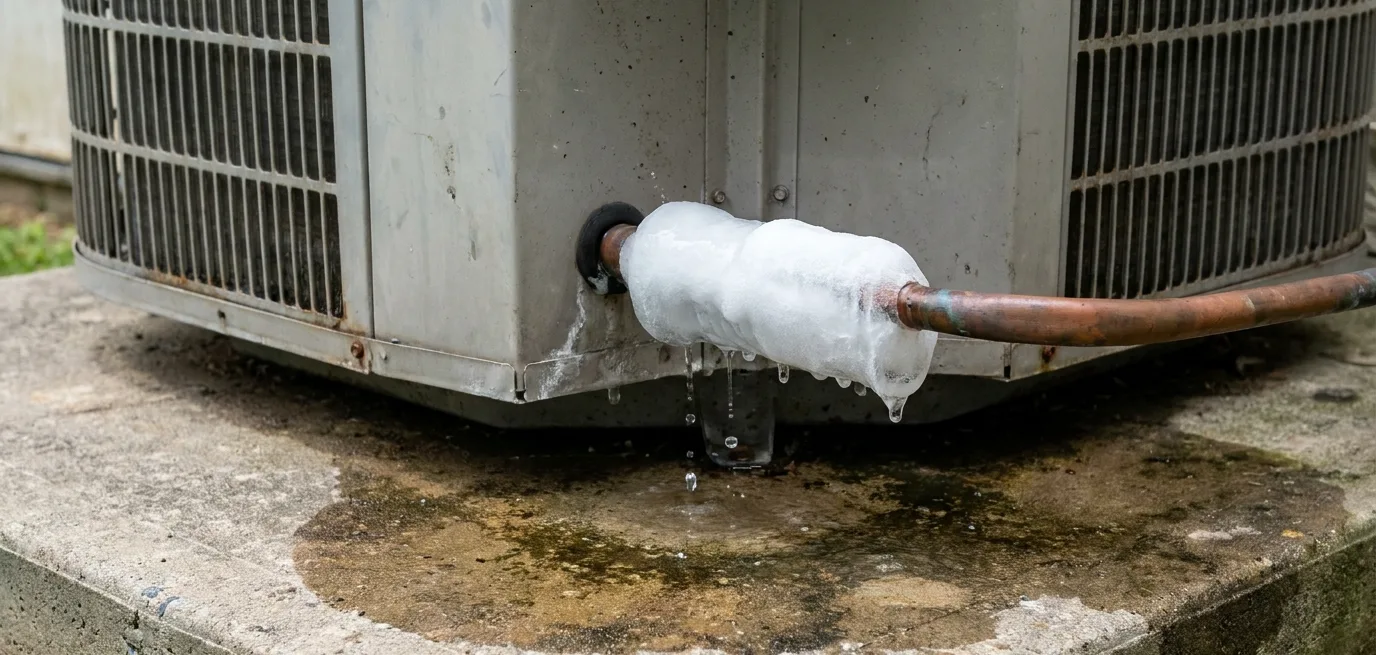
Short cycling in summer often points to airflow or thermostat issues, while ice on the suction line usually indicates low refrigerant or a dirty evaporator. Weak airflow from several registers suggests duct leakage rather than a problem inside the air handler itself.
In mild winters a heat pump that runs constantly without engaging auxiliary heat may need defrost or reversing-valve attention. A furnace that clicks but does not ignite points to the igniter or pressure switch, which our technicians can isolate during a service visit.