
Furnace Installation in the USA
Virginia Carolina HVAC installs furnaces by first measuring the home's heat load with Manual J calculations. Our technicians examine existing duct sizes, insulation levels, and window orientation to select a unit that matches the calculated BTU requirement. They then prepare the platform, secure the cabinet, and align the flue for proper draft.
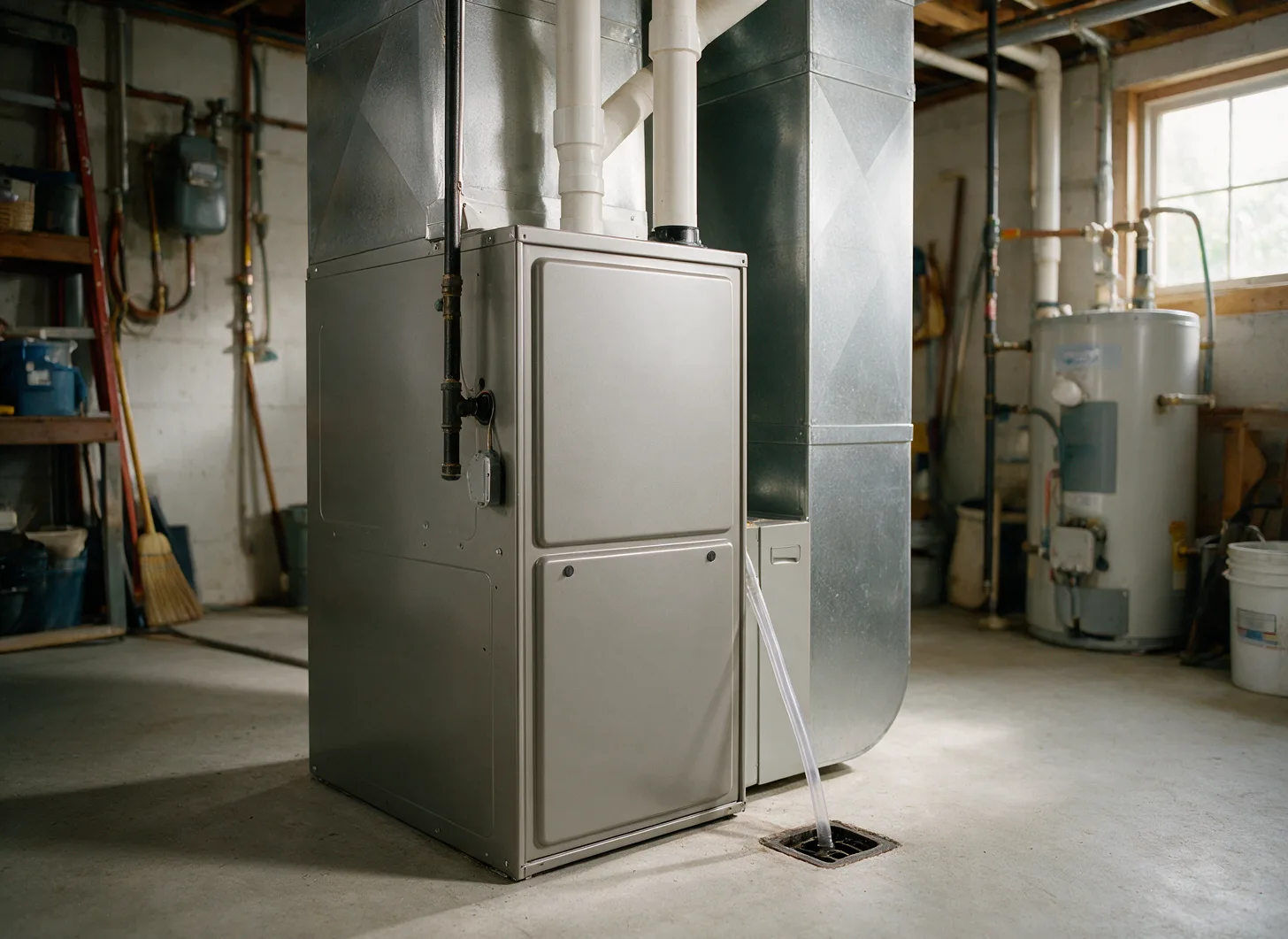
After placement our technicians connect the gas valve, install a new condensate drain if needed, and wire the control board to the thermostat. They purge air from the gas line, set the manifold pressure, and run a combustion analysis to confirm safe oxygen and carbon monoxide readings before leaving the site. Airflow across coils gets measured by us during furnace installation so see the Virginia Carolina HVAC homepage for USA.
Signs a Furnace Requires Replacement
- Frequent limit switch trips during mild weather operation
- Visible rust or corrosion on the heat exchanger seams
- Rising heating bills despite unchanged thermostat settings
- Uneven room temperatures with some areas staying cold
- Short cycling that starts and stops within minutes
What Our Technicians Measure on Site
Our technicians begin with a static pressure test across the blower and a temperature split reading on the supply and return plenums. They record the actual temperature rise and compare it to the manufacturer's specifications for the existing equipment. Any deviation points to restricted airflow or a failing heat exchanger.
Next they test the gas line for adequate volume and pressure at the manifold. They also check the flue draft with a manometer to ensure combustion gases exit safely. These measurements guide whether a like-for-like replacement or a different efficiency tier will work with the current duct system.
Installation Steps and Choices
Virginia Carolina HVAC offers single-stage and two-stage furnace models that fit standard or high-efficiency venting. Technicians remove the old unit, inspect the platform for level, and set the new cabinet on vibration pads. They then seal all joints with mastic rather than tape to maintain static pressure.
For homes with variable-speed blowers they reprogram the control board to match the duct design. They also install a new condensate pump if the unit sits in a finished space and route the drain line to a safe termination point. Each step is tested before the system is released for normal use.
Parts and Materials Used
Technicians use schedule 40 PVC for high-efficiency intake and exhaust runs and stainless-steel screws on all duct connections. They replace the flexible gas connector with a new one rated for the BTU load and install a drip leg to catch moisture before it reaches the valve.
Filter racks receive new gaskets and a properly sized media filter. Electrical work includes a new disconnect switch and correctly sized breakers. All low-voltage wiring is run in conduit to prevent damage from attic heat or insulation settling.
What Homeowners Should Prepare
Before the crew arrives clear a three-foot path from the entry door to the furnace location and remove stored items from the platform area. Note any recent changes in heating performance or unusual noises so the technician can address them during the visit.
Have the thermostat set to a comfortable temperature and keep the main gas valve accessible. This allows our technicians to complete the installation and perform final combustion checks without delays.
Furnace Installation questions
How long does a typical furnace installation take?
Most installations require one full day once the old unit is removed. Virginia Carolina HVAC schedules time for pressure testing, combustion analysis, and homeowner walkthrough so the system operates correctly from the first startup.
Can an existing duct system work with a new furnace?
Our technicians measure total external static pressure and temperature rise to confirm the ducts can handle the new airflow. Minor modifications such as adding a turning vane or sealing joints are often enough to match the equipment requirements.
What happens to the old furnace after removal?
Virginia Carolina HVAC removes the old unit from the property and disposes of it according to local environmental rules. Any reusable metal components are separated before transport so the homeowner does not need to handle disposal.
Will the new furnace affect summer cooling performance?
A properly sized furnace blower works with the existing cooling coil. Virginia Carolina HVAC checks the temperature split across the evaporator during the final startup to verify that airflow supports both heating and cooling seasons without short cycling.
Schedule Furnace Installation
Contact Virginia Carolina HVAC to arrange an on-site measurement and discuss furnace options suited to your home.