
Ductless Mini-Split Repair in the USA
Virginia Carolina HVAC works on ductless mini-split systems that provide zoned heating and cooling without traditional ducts. These units often operate as heat pumps and face extra strain during humid summers when moisture removal becomes constant and during mild winters when the system switches between modes frequently. Our technicians arrive prepared to measure pressures, examine line sets and test control boards that manage inverter-driven compressors.
Homeowners notice reduced airflow or uneven temperatures first because each indoor head operates independently. We examine the outdoor condenser for frost buildup on coils and listen for unusual compressor sounds that point to low refrigerant or failing capacitors. Technicians also verify that condensate pumps clear water properly so mold does not form inside the cassette housing. Technicians measure static pressure in ducts after starting ductless mini-split repair and then visit Virginia Carolina HVAC homepage across USA.
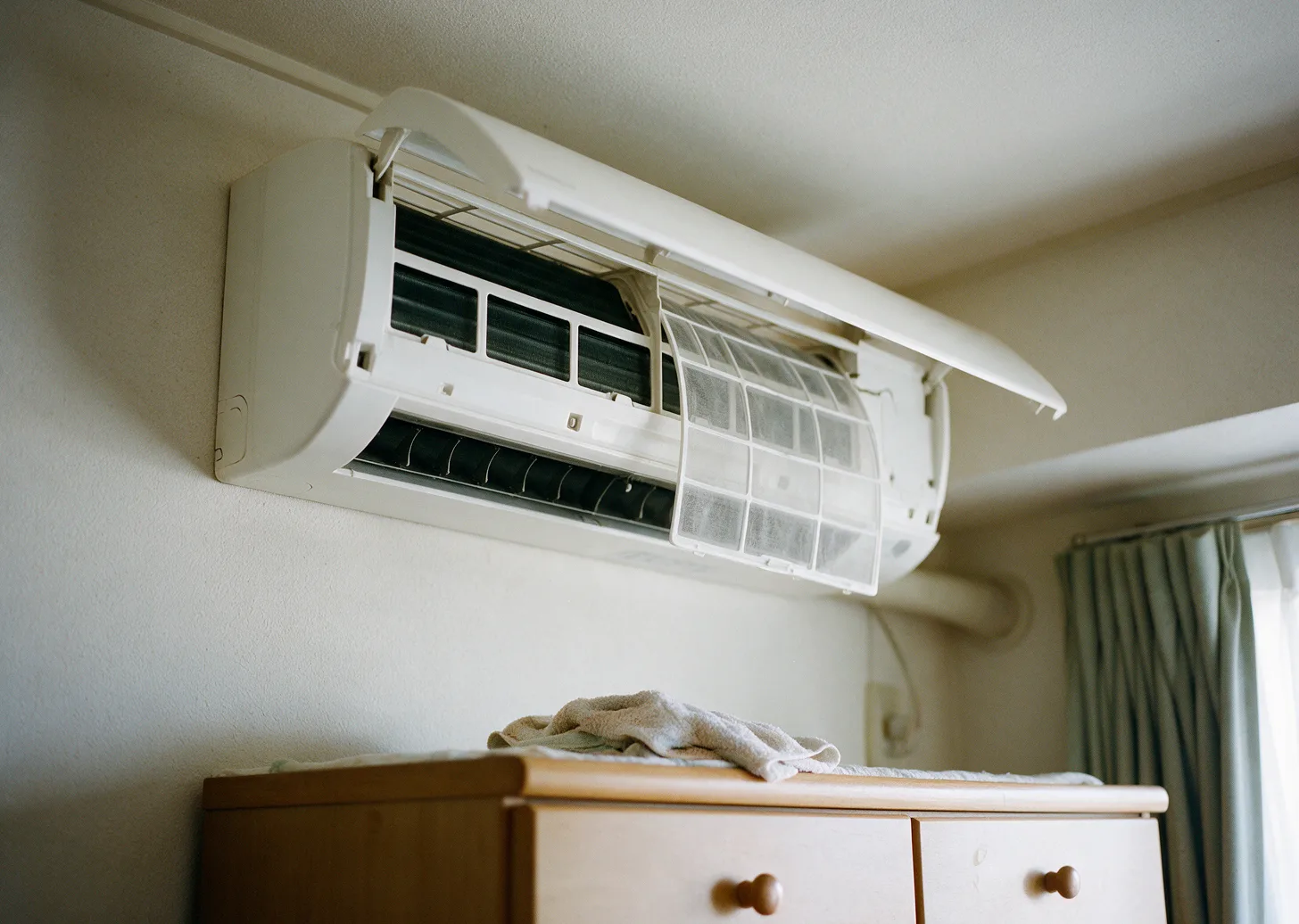
Noticeable Changes in Performance
- Indoor head blows air that stays warmer than the set temperature
- Water drips from the cassette or leaves stains on the ceiling
- Error codes appear on the remote or wall controller display
- Compressor runs continuously without reaching desired comfort level
- Ice forms on the outdoor coil even when outdoor temperatures stay above freezing
Components Our Technicians Measure
Technicians connect gauges to the service ports to read suction and discharge pressures specific to the refrigerant type in the unit. They also use a multimeter to check voltage at the disconnect and amperage draw on the compressor and fan motors. These readings reveal whether the inverter board is sending the correct frequency to maintain capacity.
Airflow is measured at each indoor cassette using an anemometer so technicians can compare actual output against the model specifications. Coil temperature is checked with a clamp meter to confirm proper superheat and subcooling values during both cooling and heating cycles.
Typical Causes of Failure
Dirt accumulation on the indoor evaporator coil reduces heat transfer and causes the system to run longer cycles. In humid summers this buildup traps moisture that eventually leads to drain pan overflow. Outside, leaves and pollen clog the condenser fins and raise head pressure until the high-limit switch trips.
Line-set insulation that cracks allows heat gain in cooling mode and heat loss in heating mode. Over time the flare connections can loosen from vibration, releasing small amounts of refrigerant that lower system capacity without triggering an immediate shutdown.
Repair Steps and Replacement Parts
Technicians recover remaining refrigerant before cutting out a leaking flare nut or damaged section of line set. New copper is brazed in place and the system is pressure-tested with nitrogen, then evacuated to remove moisture before recharging to the exact factory weight. Fan motors and capacitors are swapped when amperage readings fall outside normal ranges.
Control boards are replaced only after confirming that sensors and wiring harnesses remain intact. The process includes resetting the system and running a full diagnostic to verify communication between the outdoor unit and each indoor head.
Actions Before Technicians Arrive
Turn the unit off at the thermostat and at the outdoor disconnect so no power reaches the compressor while the system is not operating. Remove and rinse the washable filters under warm water, then allow them to dry completely before reinstalling them. Note any error codes shown on the remote and write down when the issue first appeared.
Keep the area around the outdoor unit clear of debris so technicians can reach the service valves without delay. Avoid resetting breakers repeatedly because repeated starts can damage the compressor windings when refrigerant charge is already low.
Ductless Mini-Split Repair questions
Why does my mini-split stop cooling in high humidity?
High humidity loads the evaporator coil with extra moisture that freezes or causes the drain to back up. Technicians measure static pressure and coil temperature to determine whether the unit needs a deeper cleaning or a sensor recalibration to maintain proper dehumidification.
Can a single outdoor unit serve multiple indoor heads?
Yes, multi-zone systems allow independent control of each cassette. When one head loses communication the outdoor inverter reduces capacity for the entire system until the fault is corrected, which is why technicians test each wired or wireless connection during diagnosis.
What parts commonly need replacement on these units?
Capacitors, fan motors, and electronic expansion valves see the most wear. Line-set insulation and condensate pumps also require periodic attention because cracked insulation raises energy use and clogged pumps allow water to spill inside the living space.
How do technicians confirm the system is restored?
After repairs they run each zone through a full cooling and heating cycle while recording pressures, temperatures and amperage. The final step verifies that every indoor head reaches its set point without short cycling or producing unusual noise.
Schedule Ductless Mini-Split Repair
Virginia Carolina HVAC technicians inspect pressures, coils and drainage on ductless systems serving homes across the USA.